When people talk about moving to North Carolina, the conversation almost always goes to the same
two places. Charlotte for jobs and energy. Raleigh for tech and growth. Winston-Salem doesn't come up as
often — and that gap between its reputation and what it actually offers is one of the more interesting
stories in the state right now.
I know this firsthand. When my wife and I were figuring out where we wanted to be in NC, everyone pointed us
toward Raleigh, Greensboro, Asheville. Not once did Winston come up unprompted. I found it on my own. We
visited, sat downtown in the car, and knew within an hour. She didn't even need a minute to think about it when
I asked what she thought.
That experience — finding something the crowd hasn't fully caught onto yet — is one of the things I keep
hearing from people who end up here. Winston has a way of surprising people who weren't expecting much.
And right now, that's still the case.
What it's like.
Winston-Salem is a city of roughly 252,000 people in the heart of the Piedmont Triad, sitting about 80 miles
northeast of Charlotte and 100 miles west of Raleigh. It's the smallest of what most people consider North
Carolina's major cities — and that's not a weakness. It's the whole thing.
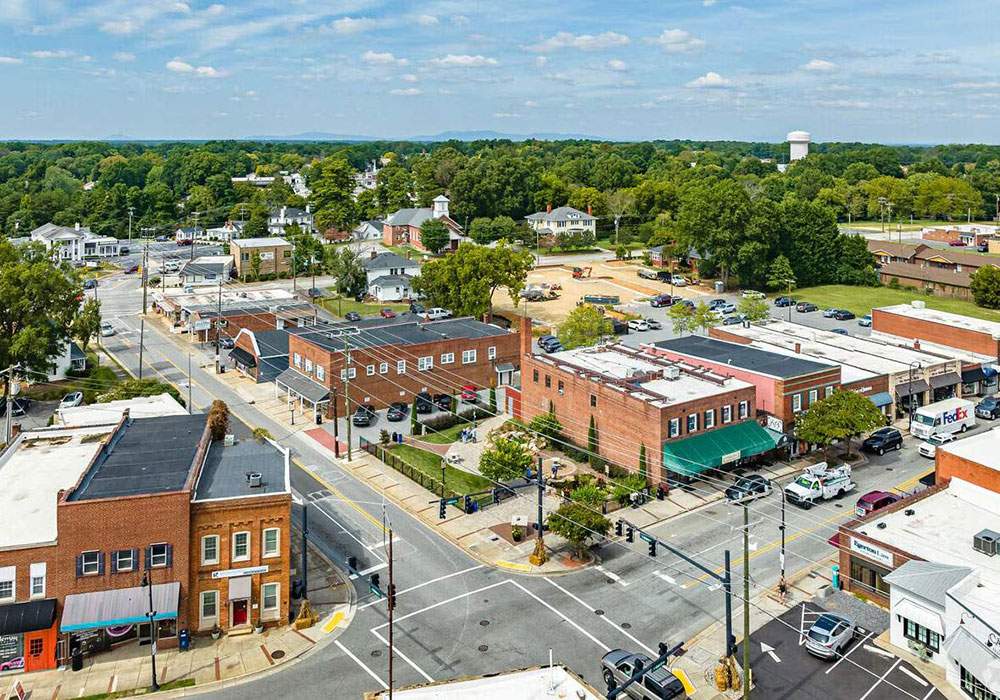
The scale means the city doesn't feel anonymous. Downtown is compact enough to actually feel like a downtown —
walkable, human-sized, with distinct districts that have their own character rather than bleeding into each
other. The Arts District centers on Trade Street, where galleries, studios, and independent
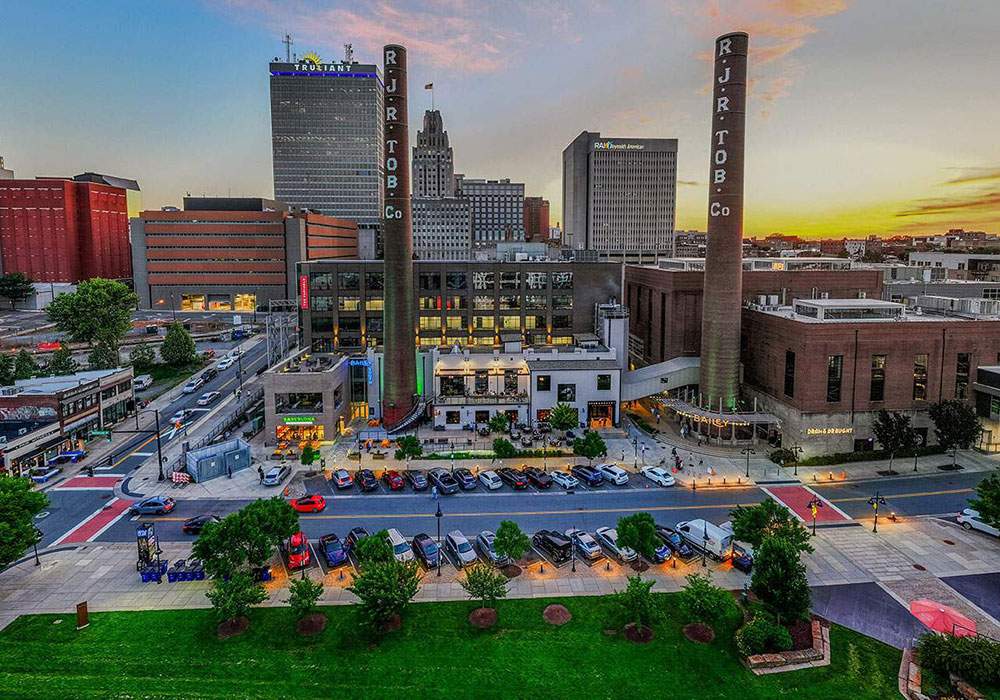
restaurants occupy renovated brick buildings that were once part of a tobacco market. The Innovation
Quarter — a 330-acre redevelopment anchored by Wake Forest School of Medicine — has transformed
vacant industrial buildings into one of the more genuinely interesting urban districts in the Southeast, with
breweries, restaurants, a 2.2-mile greenway trail, and a concentration of biomedical and tech employers most
people outside NC don't know exists.
None of this happened overnight. Winston has been doing this work steadily for decades, which is why it doesn't
feel manufactured. The city has a genuine identity — one it's been building since the Moravians settled Salem in
1766 — and it shows.
Winston vs. Charlotte vs. Raleigh — the honest comparison.
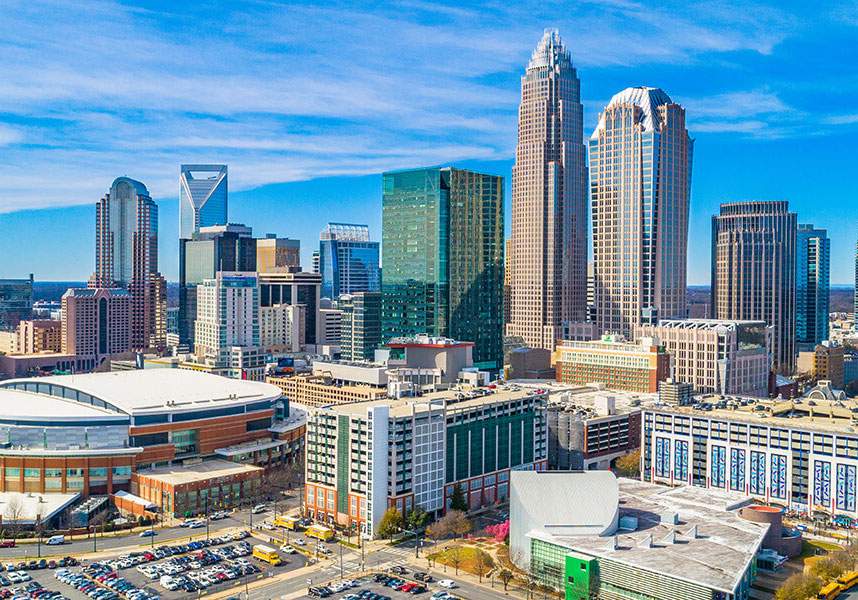
Charlotte is a banking and finance hub with a metro population pushing 2.7 million. It has the energy, the
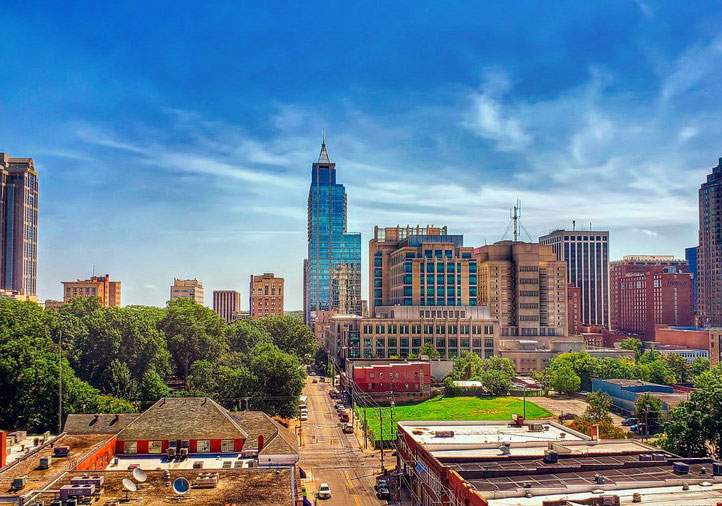
corporate infrastructure, and the price tag that comes with both. Raleigh has been on everyone's radar for years
— tech, biotech, Research Triangle — and the market reflects the demand. Both are great cities. They're also
expensive by North Carolina standards and growing fast enough that the character of their neighborhoods shifts
quickly.
Winston moves differently.
The median home sale price in Winston-Salem sits in the $240,000–$265,000 range based on 2025
data — significantly below the national median and well below Raleigh at around $435,000 and Charlotte at around
$375,000. That's not a marginal difference. That's the kind of gap that changes what homeownership actually
looks like — the size of the house, the neighborhood you can afford, the breathing room in your monthly budget.
The cost of living in Winston-Salem runs about 9% below the national average, with housing costs roughly 25%
below the U.S. average. Average rent sits around $1,280 a month — roughly 30% below the national average, and a
stable market that hasn't seen the demand-driven rent spikes Charlotte and Raleigh have experienced.
Charlotte and Raleigh have more jobs in certain sectors. They also have more competition for housing, more
traffic, and more of the frictionless suburban growth that tends to flatten a city's identity over time. Winston
has a job market anchored by Atrium Health Wake Forest Baptist — one of the largest employers in the region —
along with Wake Forest University, Hanesbrands, Truist, and a growing biomedical and technology sector. It's not
the Research Triangle, but it's not nothing.
What Winston has that the other two don't is the sense that it's still itself. It didn't need to
become something else to attract people. It just kept building on what it already was.
The history runs deep.
From the founding of Salem in 1766 to the development of the Innovation Quarter, art and innovation have been
woven into Winston-Salem's DNA. The Moravians who settled here were known for their music, craftsmanship, and
architecture. They established what is now Old Salem — a living history museum near downtown —
and the Salem Band, founded in 1771, is still performing today as the oldest continuously running mixed wind
ensemble in the United States.
The University of North Carolina School of the Arts is here. The International Black Theatre Festival — which
Maya Angelou helped launch, bringing in Oprah Winfrey, Sidney Poitier, and others — is held here every other
year. The Bookmarks Festival of Books and Authors is the largest book festival in the Carolinas. First Friday
Gallery Hop on Trade Street shuts down most of the Arts District every month.
This isn't a city grafting culture onto itself as a development strategy. It's a city that's had it for 250
years.
What the neighborhoods actually offer.
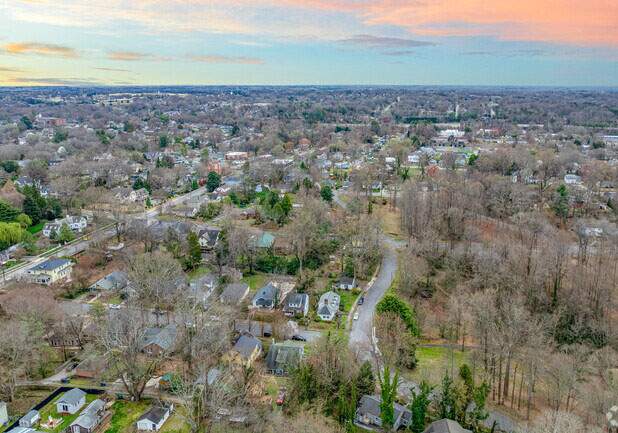
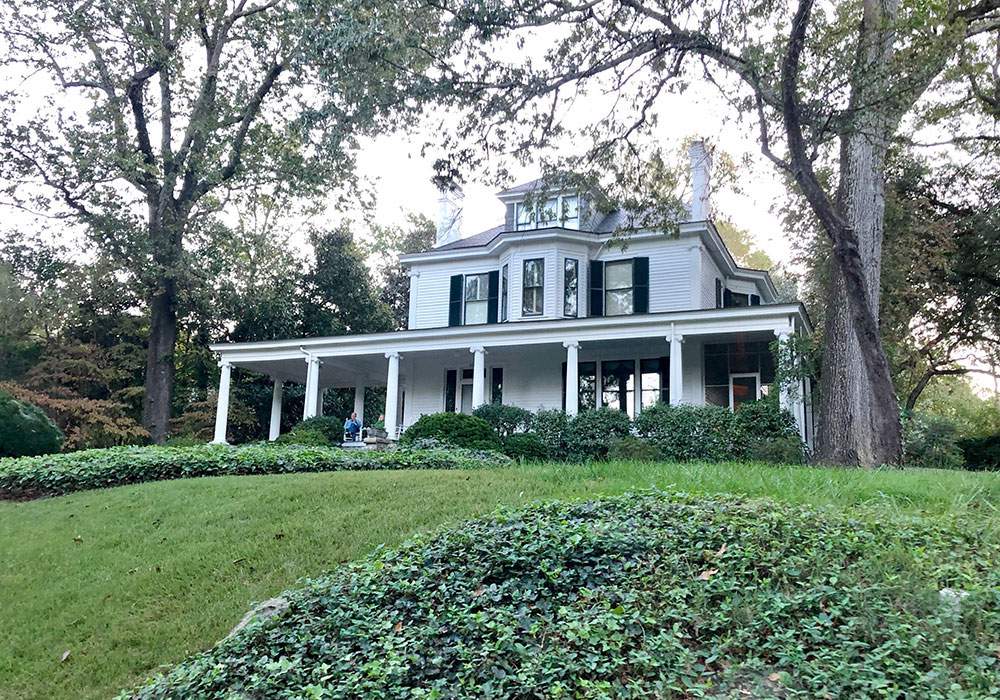
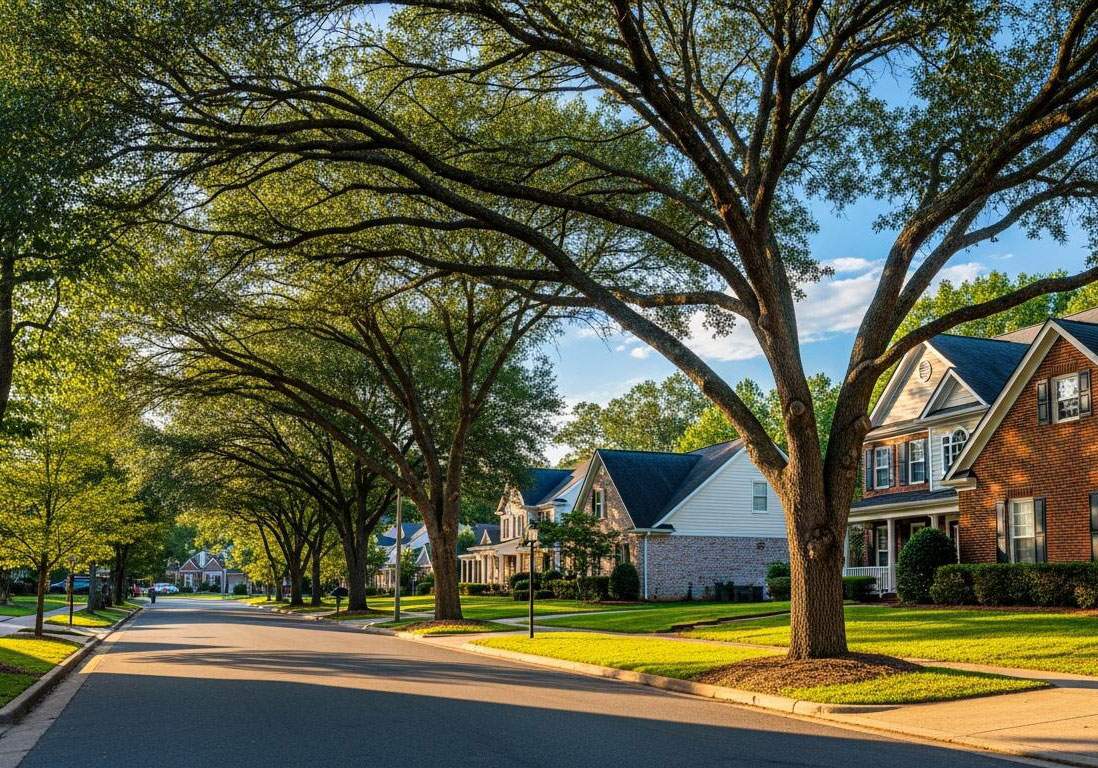
Winston's residential neighborhoods have the kind of character that takes time to build.
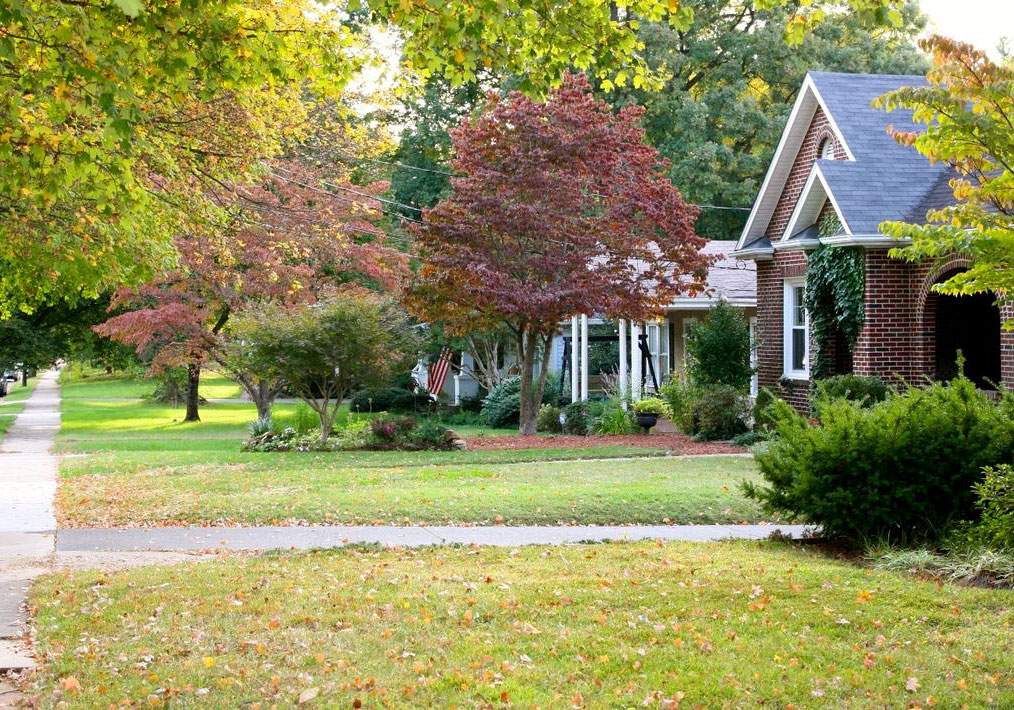
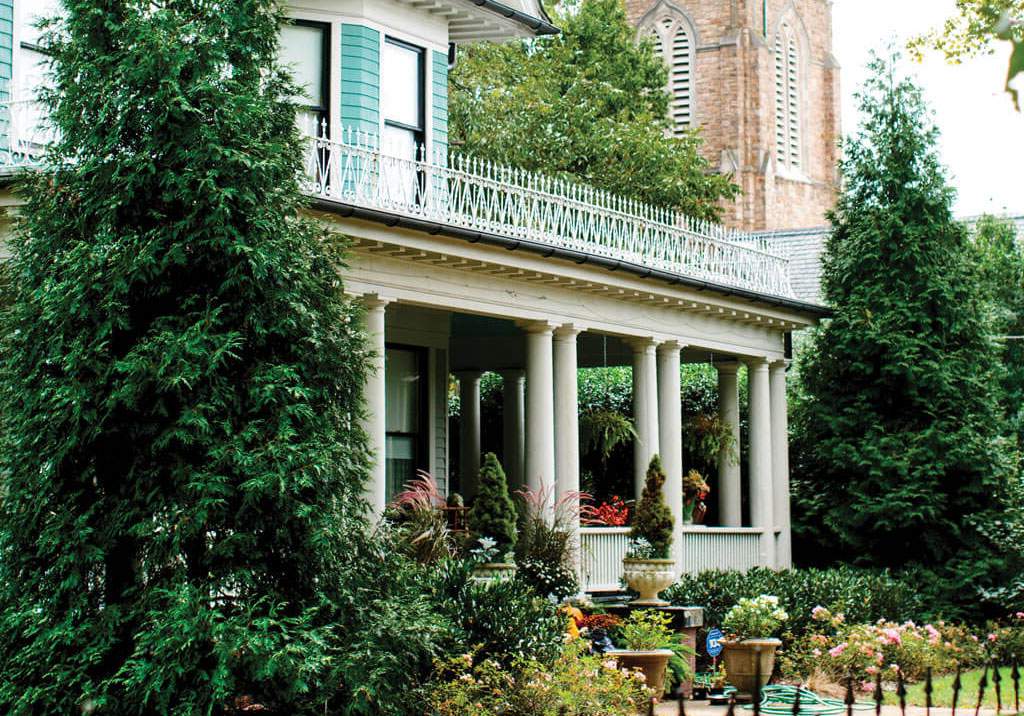
Ardmore — the largest historic district in the city, listed on the National Register of
Historic Places — has bungalows and Craftsman homes on walkable blocks near the medical campus. West
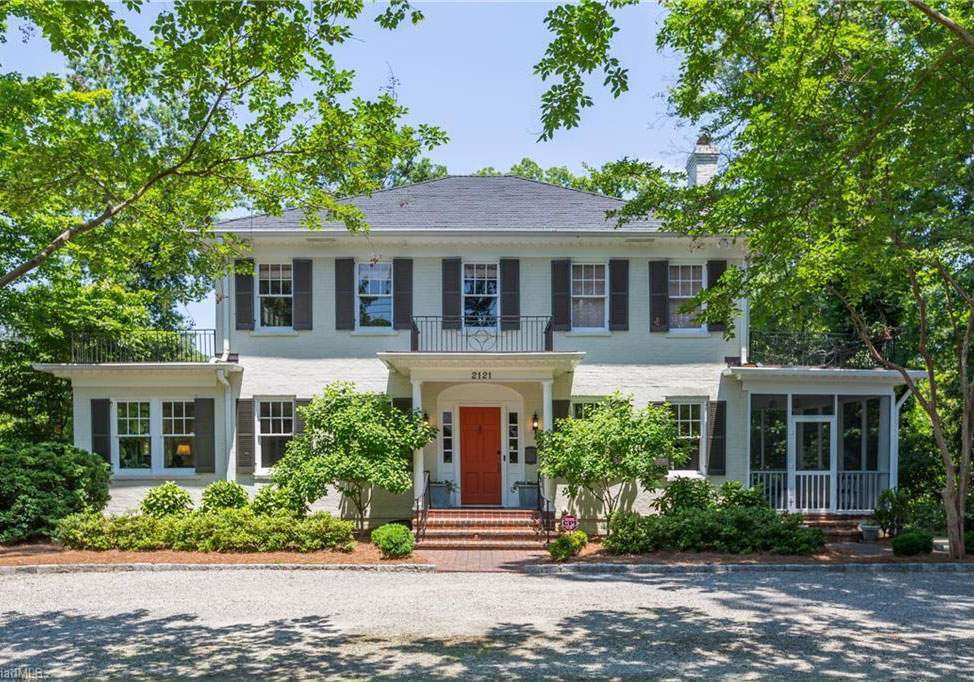
End was the city's first suburb, anchored by Victorian and Colonial Revival homes and some of the
best independent restaurants in town. Buena Vista has some of the most architecturally striking
homes in the Piedmont, built by notable architects in the early 20th century. Reynolda sits
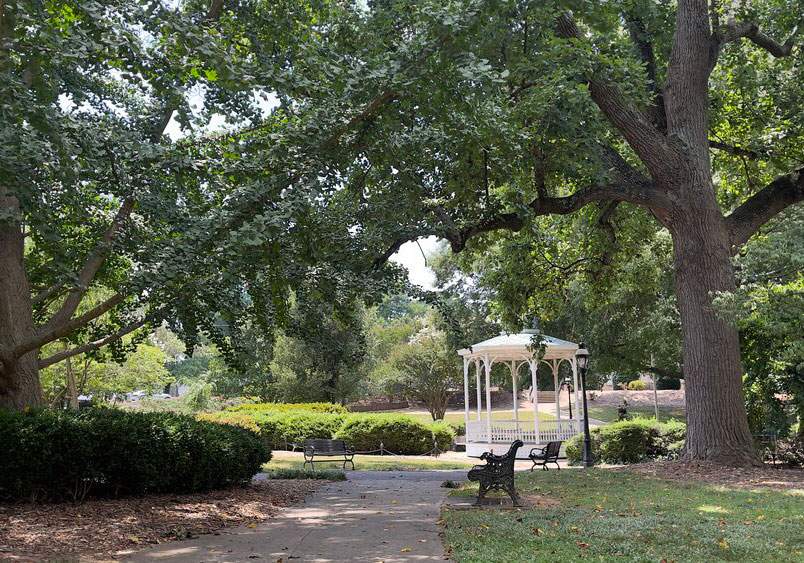
adjacent to Wake Forest University and the Reynolda Gardens. Each has a distinct identity — something that can't
be built from scratch in a new subdivision no matter how much money goes in.
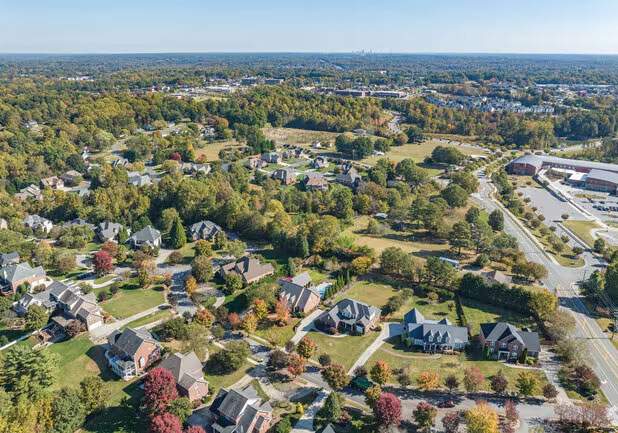
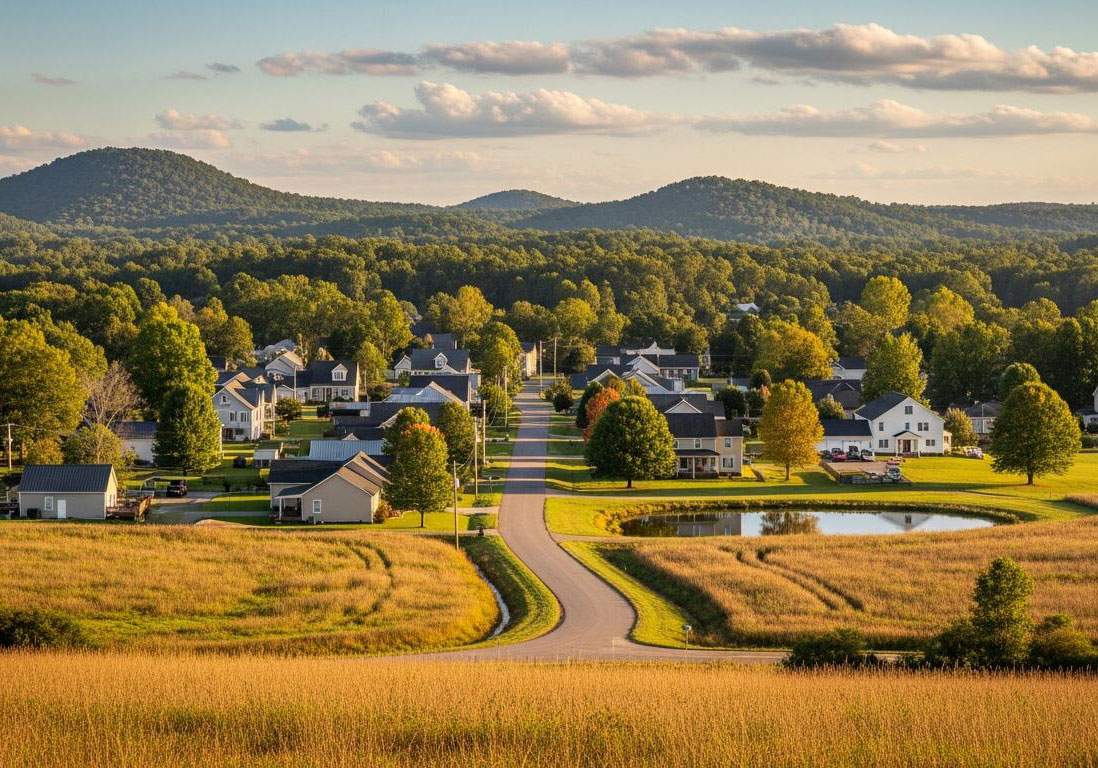
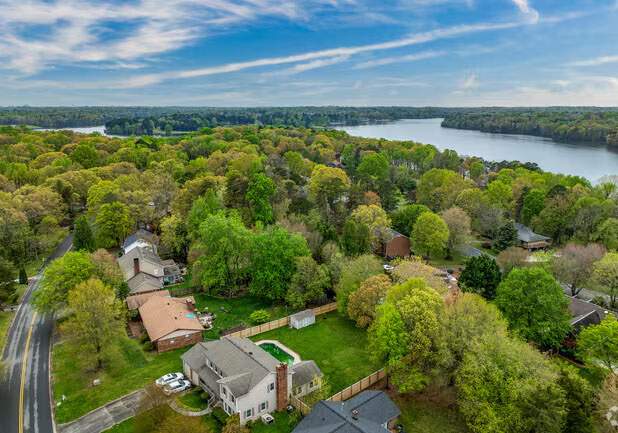
The suburbs radiating out — Clemmons, Lewisville, Kernersville, Advance — give buyers who want more space,
newer construction, or specific school districts plenty of options without adding a long commute. The metro
has range.
 Winston-Salem